

Table of Contents
Most adults need at least seven hours of sleep a night. Going to bed and waking up at the same time every day, even on weekends, is one of the best ways to sleep better. A cool, dark and quiet bedroom helps you fall asleep and stay asleep. Cut back on caffeine after lunchtime, and avoid heavy meals and alcohol close to bedtime. If poor sleep lasts for weeks or you snore loudly and wake up tired, talk to a doctor.
Millions of people struggle to get a good night’s sleep. They lie awake for hours, wake up in the middle of the night or get out of bed feeling just as tired as when they went to sleep.
Health officials in the US say about one in three adults do not get enough sleep on a regular basis. In the UK, the NHS says many people have trouble sleeping at some point in their lives.
Poor sleep does not just leave you tired. Over time, it is linked to a higher risk of health problems and can affect your mood, focus and safety on the road.
The good news is that small changes can make a big difference. Here is how to sleep better, with 20 simple tips to fall asleep faster and wake up feeling rested.
How Much Sleep Do You Need?
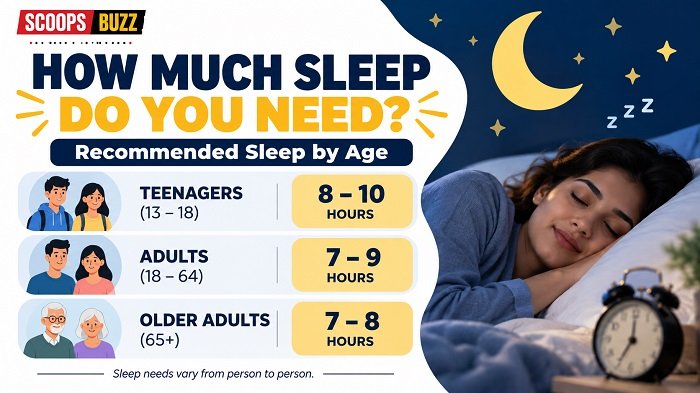
Sleep needs change with age. Health experts generally recommend:
| Age group | Recommended sleep |
| Teenagers (13 to 18) | 8 to 10 hours |
| Adults (18 to 64) | 7 to 9 hours |
| Older adults (65 and over) | 7 to 8 hours |
Everyone is a little different. A good sign you are getting enough sleep is that you wake up feeling refreshed and do not feel sleepy during the day.
Why Good Sleep Matters
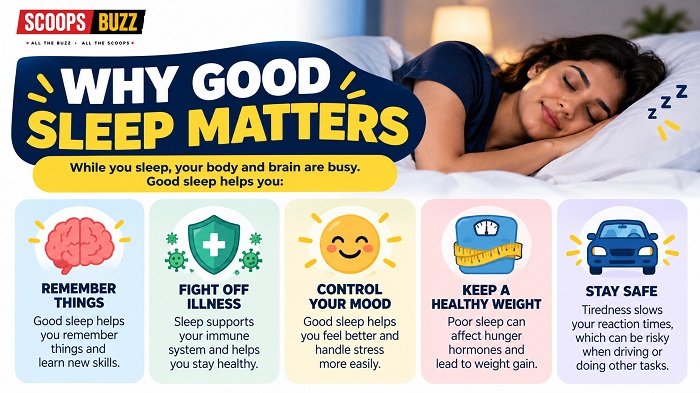
Before looking at how to sleep better, it helps to understand why sleep is so important.
While you sleep, your body and brain are busy. Sleep helps you:
- Remember things and learn new skills
- Fight off illness, as sleep supports the immune system
- Control your mood and handle stress
- Keep a healthy weight, as poor sleep can affect hunger hormones
- Stay safe, since tiredness slows reaction times when driving
20 Tips on How to Sleep Better
How to Sleep Better
Simple habits for restful nights, better mornings and a healthier lifestyle.
Build a Healthy Sleep Routine
Start with consistent daily habits to support your natural sleep-wake cycle.
Keep the Same Sleep Schedule
Go to bed and wake up at the same time every day, including weekends. This helps regulate your body clock and circadian rhythm.
Create a Relaxing Bedtime Routine
Spend 30–60 minutes winding down. Read a book, take a warm bath, listen to calm music or try gentle stretches.
Get Morning Daylight
Spend time outdoors in natural morning light to help set your body clock and make falling asleep at night easier.
Get Out of Bed if You Cannot Sleep
If you remain awake for a while, try a quiet activity in dim light. Return to bed when you feel sleepy.
Limit Your Naps
Keep naps around 20–30 minutes and avoid late-afternoon naps if they make nighttime sleep difficult.
Make Your Bedroom Sleep-Friendly
Create a comfortable environment that encourages your body to rest.
Keep Your Bedroom Cool
A comfortably cool room can improve sleep. Many people prefer temperatures around 16–19°C (60–67°F), depending on personal comfort.
Keep Your Room Dark
Use blackout curtains or an eye mask to reduce light from streetlamps, electronic devices and other sources.
Keep Your Bedroom Quiet
Use earplugs, a fan or a white noise machine to reduce disruptive sounds from traffic, neighbors or snoring.
Choose a Comfortable Mattress and Pillows
Use supportive pillows and a mattress that suits your needs. Replace them when they become uncomfortable or stop providing support.
Save Your Bed for Sleep
Avoid working, watching TV or scrolling on your phone in bed. Build a strong association between your bed and restful sleep.
Watch What You Eat and Drink
Your food, drinks and daily habits can affect how easily you fall asleep.
Cut Back on Caffeine
Coffee, tea, cola and energy drinks contain caffeine that can interfere with sleep. Try avoiding them after lunchtime or earlier if you are sensitive.
Be Careful with Alcohol
Alcohol may make you feel sleepy initially, but it can disrupt sleep later in the night and cause more frequent waking.
Avoid Heavy Late-Night Meals
Large or spicy meals close to bedtime can cause indigestion. If you are hungry, choose a light snack instead.
Limit Fluids Before Bed
Reduce excessive drinking in the last hour or two before bedtime to help minimize nighttime bathroom trips. Stay hydrated during the day.
Avoid Smoking and Nicotine
Nicotine is a stimulant that can make it harder to fall asleep and stay asleep. Avoid nicotine, especially near bedtime.
Look After Your Mind and Body
Manage stress, stay active and give your mind time to relax before bed.
Exercise Regularly
Regular physical activity can help you sleep better. If intense workouts make you feel alert, finish them a few hours before bedtime.
Put Screens Away
Switch off phones, tablets and laptops 30–60 minutes before bed when possible. Reduce bright light and stimulating activities in the evening.
Write Down Your Worries
If your mind races at night, write down your concerns or tomorrow’s to-do list to help clear your head before sleeping.
Try Relaxation Techniques
Practice slow breathing, meditation or muscle relaxation. Try breathing in for four counts and breathing out slowly for six to eight counts.
Be Careful with Sleep Aids
Ask a doctor or pharmacist before using melatonin, supplements or over-the-counter sleep medicines, especially for long periods or with other medicines.
Build a Healthy Routine
1. Keep the same sleep schedule. Go to bed and get up at the same time every day, including weekends. This is one of the most effective tips on how to sleep better, because it trains your body clock, known as your circadian rhythm.
2. Create a relaxing bedtime routine. Spend the last 30 to 60 minutes before bed winding down. Read a book, take a warm bath, listen to calm music or do gentle stretches.
3. Get morning daylight. Spending time outside in natural light in the morning helps set your body clock, making it easier to fall asleep at night. This is especially helpful in winter and after the clocks change.
4. Do not stay in bed awake. If you cannot fall asleep after about 20 minutes, get up, go to another room and do something quiet in dim light until you feel sleepy. This stops your brain linking your bed with being awake.
5. Limit naps. Short naps of 20 to 30 minutes can help, but long naps or napping late in the afternoon can make it harder to sleep at night.
Make Your Bedroom Sleep Friendly
Your bedroom plays a big part in how to sleep better.
6. Keep it cool. Most people sleep best in a cool room, around 60 to 67 degrees Fahrenheit (about 16 to 19 degrees Celsius).
7. Keep it dark. Use blackout curtains or an eye mask. Even small amounts of light from streetlamps or gadgets can affect sleep.
8. Keep it quiet. Earplugs, a fan or a white noise machine can block out traffic, neighbors or snoring.
9. Choose a comfortable mattress and pillows. If you wake up stiff or sore, your mattress may be too old. Most last about seven to ten years.
10. Save your bed for sleep. Try not to work, watch TV or scroll on your phone in bed. Your brain should link your bed with rest.
Watch What You Eat and Drink
What you eat and drink in the hours before bed also shapes how to sleep better.
11. Cut back on caffeine. Caffeine can stay in your body for many hours. Try to avoid coffee, tea, energy drinks and cola after lunchtime.
12. Be careful with alcohol. A drink may make you feel sleepy, but alcohol disrupts sleep later in the night and can make you wake up more often.
13. Avoid heavy meals late at night. Big or spicy meals close to bedtime can cause indigestion. If you are hungry, have a light snack.
14. Do not drink too much before bed. Cutting back on fluids in the last hour or two can reduce trips to the bathroom at night.
15. Quit smoking. Nicotine is a stimulant and can make it harder to fall asleep.
Look After Your Mind and Body
Stress and activity levels are another big part of how to sleep better.
16. Exercise regularly. Being active during the day helps you fall asleep faster and sleep more deeply. Try to finish hard workouts a few hours before bed.
17. Put screens away. Phones, tablets and laptops give off blue light and keep your brain alert. Try to switch them off at least 30 minutes to an hour before bed, or use night mode settings.
18. Write down your worries. If your mind races at night, keep a notebook by your bed. Writing down worries or a to do list for tomorrow can help clear your head.
19. Try relaxation techniques. Slow, deep breathing, muscle relaxation and meditation can calm your body. One simple method is to breathe in for four counts, hold for a moment and breathe out slowly for six to eight counts.
20. Be careful with sleep aids. Some people try supplements like melatonin or over the counter sleep pills. Talk to a doctor or pharmacist before using them, especially for long periods or if you take other medicines.
How to Fall Asleep Faster
How to Fall Asleep Faster
- Keep a consistent bedtime and wake-up time.
- Avoid caffeine after lunch.
- Stop using screens an hour before bed.
- Keep your bedroom cool and dark.
- Practice slow, deep breathing.
- If you cannot sleep, get up and do something quiet until sleepy.
Tip: These healthy habits are known as sleep hygiene.
If your main problem is getting to sleep, focus on these steps:
- Keep the same bedtime and wake time every day
- Avoid caffeine after lunch
- Stop using screens an hour before bed
- Keep your bedroom cool and dark
- Try slow breathing once you are in bed
- Get up if you are still awake after 20 minutes
These habits are often called good sleep hygiene. You can read more about the idea on the sleep hygiene Wikipedia page.
Why Do I Wake Up in the Middle of the Night?
Waking briefly during the night is normal. Most people wake several times without remembering it. But if you wake up and cannot get back to sleep, common causes include:
- Stress or worry
- Alcohol or caffeine
- A room that is too hot, bright or noisy
- Needing to use the bathroom
- Pain or discomfort
- Snoring or breathing problems
If you wake up, avoid checking the time on your phone. Keep the lights low and try a relaxation technique.
How Daylight Saving Time and Winter Affect Sleep
Changes to the clocks can upset your body clock for a few days. When clocks fall back in the autumn, you get an extra hour, but darker evenings and lighter mornings can still shift your sleep.
In winter, shorter days and less sunlight can make some people feel more tired or low. Getting outside in daylight, especially in the morning, and keeping a regular routine can help.
How to Sleep Better When You Are Stressed
How to Sleep Better When You Are Stressed
- Set aside worry time: Spend 10–15 minutes writing down your worries and possible next steps.
- Limit news and social media: Avoid stressful content in the evening.
- Practice slow breathing: Use gentle, steady breathing to relax before sleep.
- Talk to someone: Share your concerns with a trusted friend, family member or professional.
Stress and anxiety are some of the most common reasons people cannot sleep. If worries keep you awake, try these steps:
- Set aside worry time earlier in the evening. Spend 10 to 15 minutes writing down what is on your mind and possible next steps.
- Limit news and social media in the evening, especially stressful stories.
- Use a simple breathing exercise in bed to slow your heart rate.
- Talk to someone. Sharing a problem with a friend, family member or professional can make it feel less heavy.
How to Sleep Better With a Partner
Sharing a bed can make good sleep harder, especially if one person snores, moves a lot or keeps different hours.
- Try separate blankets so you do not disturb each other.
- Use earplugs or white noise if your partner snores.
- If one person goes to bed later, agree to keep lights and screens off when coming to bed.
- If snoring is loud and constant, encourage your partner to see a doctor, as it can be a sign of sleep apnea.
How to Sleep Better When Traveling
Travel over Thanksgiving and the holidays can upset your sleep. Pack an eye mask and earplugs, try to keep your normal bedtime and get outside in daylight after long flights to help your body adjust to a new time zone.
Sleep Tips for Shift Workers
People who work nights or rotating shifts face extra challenges. These tips can help:
- Use blackout curtains to sleep during the day.
- Wear sunglasses on the way home after a night shift to reduce morning light.
- Keep your sleep times as regular as possible, even on days off.
- Ask family members to keep noise down while you sleep.
When to See a Doctor About Sleep
When to See a Doctor About Sleep
Consult a doctor if sleep problems persist or start affecting your daily life.
- You have trouble sleeping for more than a few weeks.
- Poor sleep affects your work, mood or daily activities.
- You snore loudly, gasp or stop breathing during sleep.
- You feel extremely sleepy during the day despite spending enough time in bed.
- You have an uncomfortable urge to move your legs at night.
Important: Persistent insomnia may need professional assessment. Seek medical advice rather than relying only on sleep tips.
Most sleep problems improve once you learn how to sleep better with healthier habits. But you should talk to a doctor if:
- You have trouble sleeping for more than a few weeks
- Poor sleep is affecting your work, mood or daily life
- You snore loudly, gasp or stop breathing during sleep, which can be signs of sleep apnea
- You feel very sleepy during the day, even after a full night in bed
- You have an uncomfortable urge to move your legs at night
Long term trouble sleeping, known as insomnia, is common and treatable. Doctors often recommend a talking therapy called cognitive behavioral therapy for insomnia, which helps change the thoughts and habits that keep people awake. It is often more effective in the long run than sleeping pills.
How to Sleep Better: Quick Checklist
Keep this list handy as a reminder of how to sleep better every night:
| Do | Avoid |
| Keep a regular schedule | Sleeping in late on weekends |
| Get morning daylight | Long afternoon naps |
| Keep your bedroom cool and dark | Screens in bed |
| Exercise during the day | Caffeine after lunch |
| Wind down before bed | Heavy meals and alcohol late at night |
More From ScoopsBuzz
- When does daylight saving time end in 2026? Clocks fall back November 1
- Flu season 2026: who should get the flu shot in the US and UK
Frequently Asked Questions
How can I sleep better at night?
Keep a regular sleep schedule, make your bedroom cool, dark and quiet, cut back on caffeine and alcohol, and put screens away before bed.
How much sleep do adults need?
Most adults need at least seven hours a night.
How can I fall asleep faster?
Follow a relaxing bedtime routine, avoid screens for an hour before bed, keep your room cool and try slow breathing.
Is it bad to nap during the day?
Short naps of 20 to 30 minutes are fine for most people, but long or late naps can make it harder to sleep at night.
What is the best temperature for sleep?
Around 60 to 67 degrees Fahrenheit, or about 16 to 19 degrees Celsius.
Should I take melatonin to sleep better?
Talk to a doctor or pharmacist first. Better sleep habits are the first step for most people.
When should I see a doctor about sleep problems?
If poor sleep lasts more than a few weeks, affects your daily life, or you snore loudly and feel very tired during the day.
Disclaimer: This article is for general information only and is not medical advice. Speak to a doctor if you have ongoing sleep problems.
Sources: Centers for Disease Control and Prevention, NHS, American Academy of Sleep Medicine, National Sleep Foundation